
Think Tick Season Is Over? Think Again: Why August is Niagara’s Sneakiest Pest Month
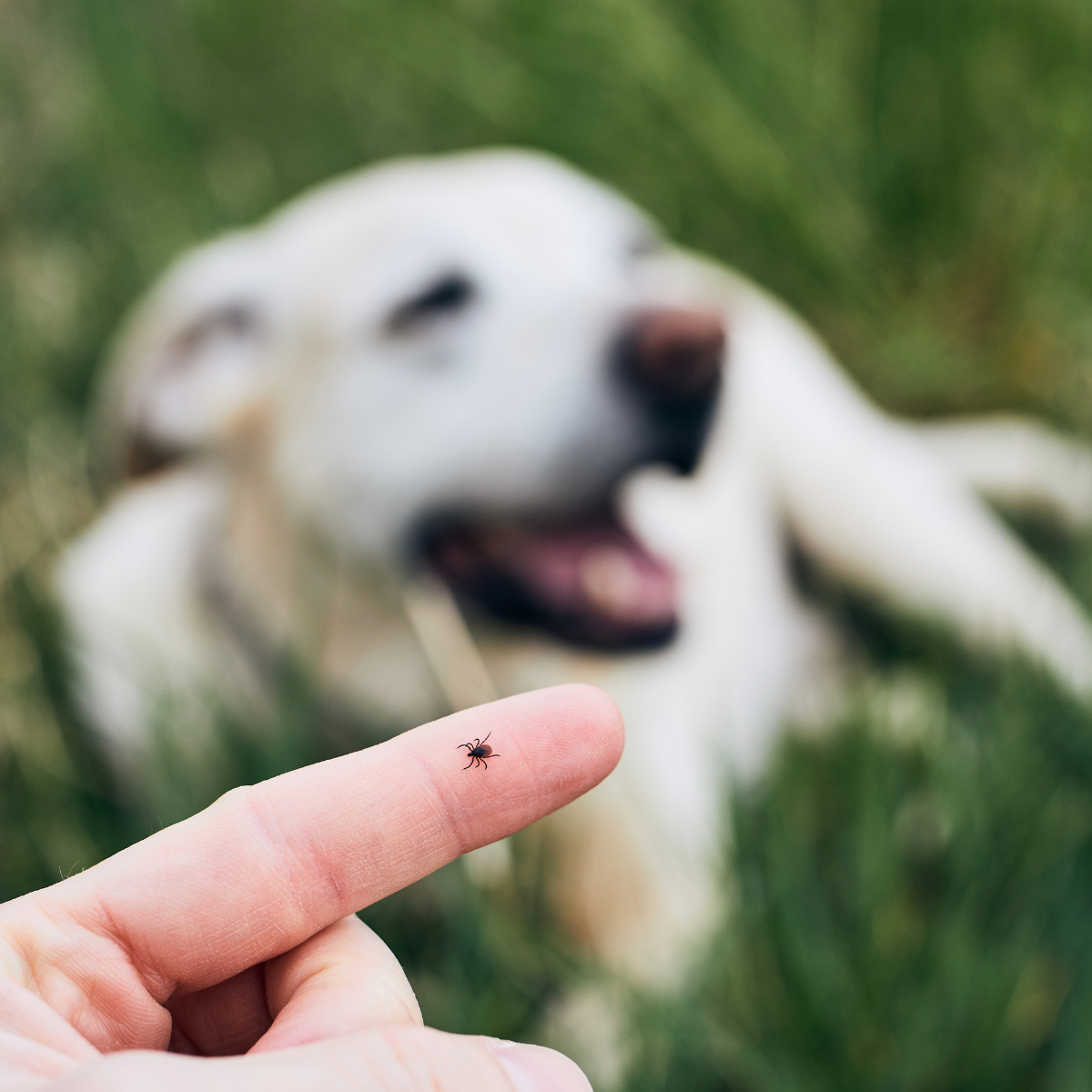

If you’re anything like us, your spring routine probably involved a lot of obsessive post-walk tick checks. But by the time mid-August rolls around in Niagara, it’s easy to drop your guard. The sun is blazing, the lakes are calling, and it feels like spring pest season is a distant memory.
Here’s the plot twist most Ontario dog parents don’t see coming: August actually marks the start of a second, and often bigger, flea and tick surge across the Niagara Peninsula.
If you’ve noticed your pup scratching a little extra lately, don't worry, you're not imagining things. Here’s what’s really going on in our local woods and backyards right now, and how you can keep your dog safe and comfortable all season long.
The Local Science (Because We Love Data)
We’re huge believers in making decisions backed by science, especially when it comes to our dogs’ health. And when you look at the local research coming out of our own backyard, the picture becomes super clear.
Dr. Fiona Hunter and her team at the Brock University Fly Lab run an incredible vector surveillance laboratory right here in St. Catharines. Recent Brock University research tracking provincial tick populations confirms that Ixodes scapularis (the blacklegged or deer tick) is now fully established everywhere in Niagara.
Whether you’re strolling the Bruce Trail, exploring Short Hills, wandering through Twelve Mile Creek, or just letting your pup lounge in your backyard, ticks are active.
So, why the August spike?
-
The Adult Emergence: Ticks go through distinct life stages. The tiny eggs that hatched earlier this summer have grown into hungry adults. Right around late August, these adult ticks wake up with one goal: finding a large host (like our dogs or deer) for a big meal before winter.
-
The High-Risk Factor: Data from Public Health Ontario's Vector-Borne Disease Surveillance shows that roughly 40% to 55% of blacklegged ticks tested in southern Ontario carry Borrelia burgdorferi—the bacteria responsible for Lyme disease. That’s a high enough number that we definitely want to stay proactive.
-
The August Flea Explosion: It’s not just ticks! Late-summer humidity in Southern Ontario creates absolute heaven for fleas. Here's a mind-boggling stat: only 5% of a flea population lives on your pet as adults. The other 95% live out in the world as eggs and larvae—hiding in tall grass, lawn cushions, and carpet fibers, waiting for a warm body to pass by.
5 Layers of Natural Defense (Our Top Shop Picks)
Protecting your dog doesn't have to mean relying solely on heavy chemical pesticides that can irritate sensitive skin, disrupt gut health, or end up in our local waterways. At Little Chief & Co., we love building a multi-layered, natural shield using clean, effective products from our shop that work with your dog’s body.
Here is how we layer natural protection for Niagara trail walks:
1. Internal Protection: Earth MD Outdoor Shield
Defense starts from the inside out! Earth MD Outdoor Shield is a Canadian-made, herbal dietary supplement. Formulated with quassia bark, neem leaf, spirulina, and garlic powder, it subtly alters your dog's blood scent and taste profile. While completely safe for dogs, it acts as a powerful natural deterrent—making them far less appealing to biting bugs like fleas, ticks, and mosquitoes.
2. The Clean Topical Alternative: TICKLESS Herbal Shield Spot-On
If you like the convenience of topical liquid applications but want to skip the harsh synthetic pesticides, TICKLESS Herbal Shield Spot-On is the ultimate plant-based swap. Applied directly to your dog's skin between the shoulder blades, this 100% natural blend uses concentrated essential oils—including neem, lemongrass, eucalyptus, geranium, and black cumin—to create a long-lasting, invisible aromatic barrier.
3. Ultrasonic Trail Shield: TICKLESS Devices
If you want 100% chemical-free protection that you don't even have to spray or apply, TICKLESS Ultrasonic Devices are an absolute game-changer. These small, lightweight devices attach right onto your dog’s collar or harness. They emit high-frequency ultrasonic pulses that are completely imperceptible to humans and pets, but disorient and repel ticks and fleas within a 5-foot radius. It's ideal for puppies, seniors, or dogs with sensitive skin.
4. Lab-Tested Repellent Spray: PureGard Botanical Insect Repellent
Before you step onto the trails, give your dog's legs and belly a light spritz with PureGard (AtlanTick) Botanical Insect Repellent / Tick Attack. Made in Canada by an Indigenous Women-owned company, this Health Canada-registered formula utilizes Oil of Lemon Eucalyptus to provide up to 5 hours of tick protection and 6 hours of mosquito defense without DEET or synthetic additives.
5. Post-Walk Bath Routine: Lemongrass & Mint Shampoo
After a dusty trail adventure through Short Hills or Twelve Mile Creek, a soothing bath is the ultimate final step. Washing your dog with our Lemongrass & Mint Shampoo does double duty: the natural lemongrass acts as a post-walk bug deterrent, while mint cools warm, irritated skin and washes away any hitchhiking dirt, pollen, or unattached larvae before they settle in.
Master the 60-Second "Post-Trail Scan"
Even with natural shields in place, doing a fast physical check right when you get home is essential. Keep a fine-toothed flea and tick comb by the front door so you don't forget, and run your hands over these prime tick-hiding spots:
-
Inside and behind the ears
-
Right under their collar or harness straps
-
Between their paw pads and toes
-
Deep in the groin, belly, and armpit areas
Found a Tick? Don't Panic!
If you spot an attached tick, stay calm and follow these three simple steps:
-
Grab fine-tipped tweezers or a tick tool: Pinch the tick as close to your dog’s skin as possible. Pull straight up with smooth, steady pressure. No twisting, no petroleum jelly, and no matchsticks!
-
Snap a quick photo: Upload the picture to eTick.ca. It’s a free Canadian platform where experts identify the tick species for you, usually within a few hours.
-
Clean the spot: Gently wipe the bite area with a safe, natural antiseptic or mild cleansing spray.
Gear Up for Safe Late-Summer Adventures
Don't let sneaky August pests keep your pack indoors! Whether you need to pick up an ultrasonic tag, swap out synthetic drops for a botanical spot-on, or chat about natural supplements, we’re always here to help you navigate pet care naturally.
-
In St. Catharines? Pop into our downtown boutique at 163 St. Paul St., we’d love to see your pup and help you build a custom pest defense kit!
-
Shopping online? Explore our TICKLESS Herbal Shield Spot-On, TICKLESS Ultrasonic Devices, Earth MD Outdoor Shield, PureGard / Tick Attack Botanical Repellent, and Lemongrass & Mint Shampoo online at littlechief.dog with free local delivery across Niagara!
Here’s to long, safe, happy trail walks all season long! 🐾
Leave a comment
Comments will be approved before showing up.